In 2002, a movie arrived with an Afro the size of a satellite dish, a villain called The Man, and a plot about stopping a conspiracy to turn Black America into a pale, mayo-loving monoculture. Undercover Brother was loud, silly, and a little reckless, and it was made by a major studio for a wide theatrical release.
Try to imagine that pitch landing at a studio today, and you start to see how much the movie business has changed.
The mid-budget comedy is an endangered species
Undercover Brother worked because of the economics of its era. It was a modestly priced comedy, around $20 million by most accounts, that could turn a profit in theaters and then make real money on DVD. Studios in the early 2000s loved this model: cast a charismatic lead like Eddie Griffin, surround him with a deep bench of comedic talent (Chris Kattan, Chi McBride, Aunjanue Ellis, Neil Patrick Harris, and Dave Chappelle in a small, memorable turn), and let the jokes carry it.
That model collapsed. DVD sales fell off a cliff, and studios shifted their theatrical resources toward franchises and tentpoles, where a single hit can justify a whole year. A $20 million comedy that might gross $40 million is simply not a priority at a company chasing billion-dollar returns. The middle of the market hollowed out, and comedies like this one were the first casualties.
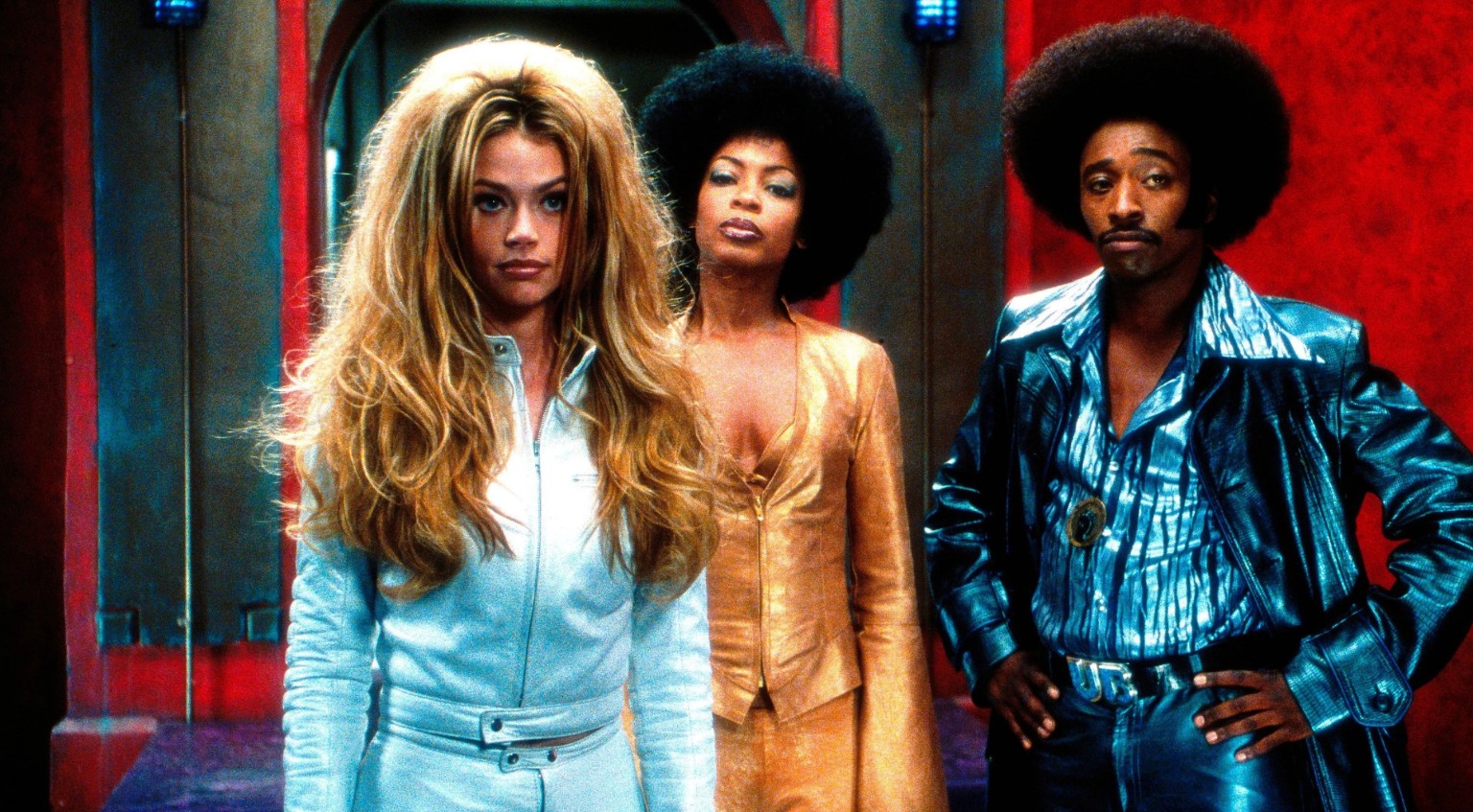
The spoof went stale
Undercover Brother belonged to a golden age of genre parody. It riffed on blaxploitation films, Bond-style spy capers, and 1970s pop culture in the same spirit as Austin Powers. Parody works best when the audience shares a deep familiarity with the thing being sent up, and when the form still feels fresh.
By the late 2000s, the spoof genre had been run into the ground by cheap imitators. Audiences got tired of movies that substituted pop-culture references for actual jokes. Once the genre became shorthand for lazy, it became hard to sell even the clever versions. Studios stopped greenlighting parodies, and the few that appeared tended to be low-budget and low-ambition.
Race comedy became a higher-risk bet
Here is the part people argue about most. Undercover Brother is built on racial stereotypes, which it deploys to mock racism and white cultural dominance. It gets away with this because its target is the absurdity of the stereotypes themselves, and because the film is clearly in on the joke.
Satire that plays with stereotypes needs an audience willing to read intent generously, and it needs a studio willing to defend it. Social media changed the calculus for both. A single clip stripped of context can ignite a controversy before the movie opens, and executives who once shrugged at edgy material now run it through a lot more scrutiny.
That doesn't mean sharp racial satire is dead. Work like Sorry to Bother You, Atlanta, and Get Out proves otherwise. But that work tends to be more overtly political and more auteur-driven, and it often lives in prestige territory rather than in the broad, goofy, crowd-pleasing lane Undercover Brother occupied. The wide-release, anything-for-a-laugh version of the genre is the one that went quiet.
Streaming changed what gets made
Streaming services need volume and subscriber retention, not box office. That should have been a lifeline for mid-range comedies, and in some cases it was. But the algorithmic logic of streaming favors recognizable IP, true crime, and prestige dramas that generate buzz. Comedies are also hard to export globally, since humor is culturally specific and international audiences matter more to the bottom line than they used to. A joke rooted in 1970s Black American pop culture is a tougher sell than a superhero.
Tellingly, the franchise didn't die so much as get downgraded. A sequel, Undercover Brother 2, arrived in 2019 as a direct-to-video release with a different cast and a fraction of the attention. That is where this kind of movie lives now.
Is there a way back?
Cultural nostalgia is strong, and audiences who grew up on early-2000s comedies are now old enough to make decisions about what gets greenlit. Meanwhile, a few recent films suggest an appetite for comedies that feel handmade, specific, and unafraid to be a little weird. The ingredients that made Undercover Brother work, a committed lead, a sharp ensemble, and a confident comic point of view, haven't gone anywhere.
What's missing is the infrastructure that let a movie like it get made and found by an audience: the mid-budget slot, the theatrical window, the DVD afterlife. Until some version of that returns, we're more likely to get a spiritual successor on a streaming platform than another wide release with a giant Afro and a mission to save the Brotherhood.